
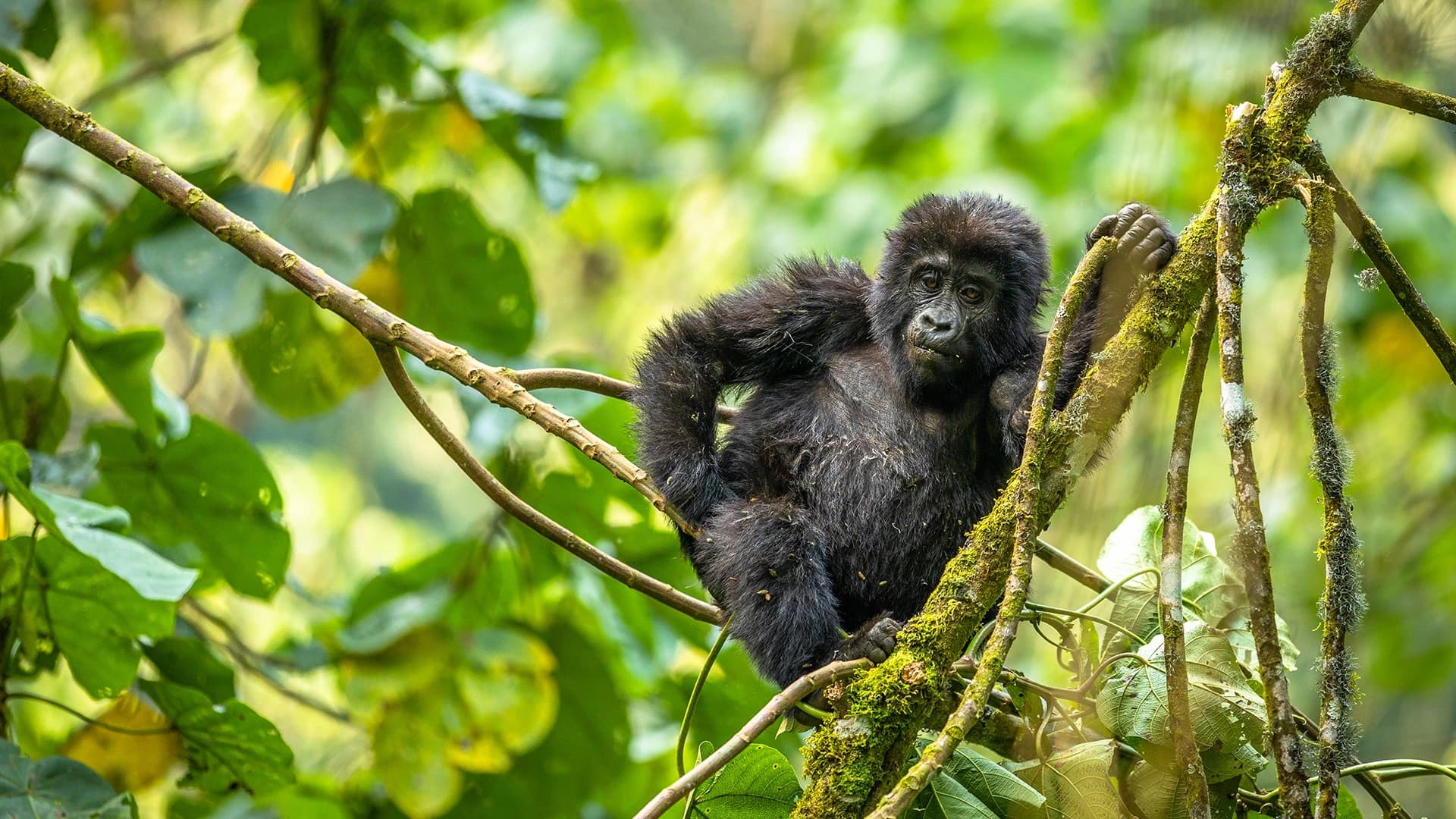
Rwanda
Gorillas at dawn, Nyungwe's canopy walks, the quiet slopes above Lake Kivu — Rwanda, condensed.
Why Rwanda.
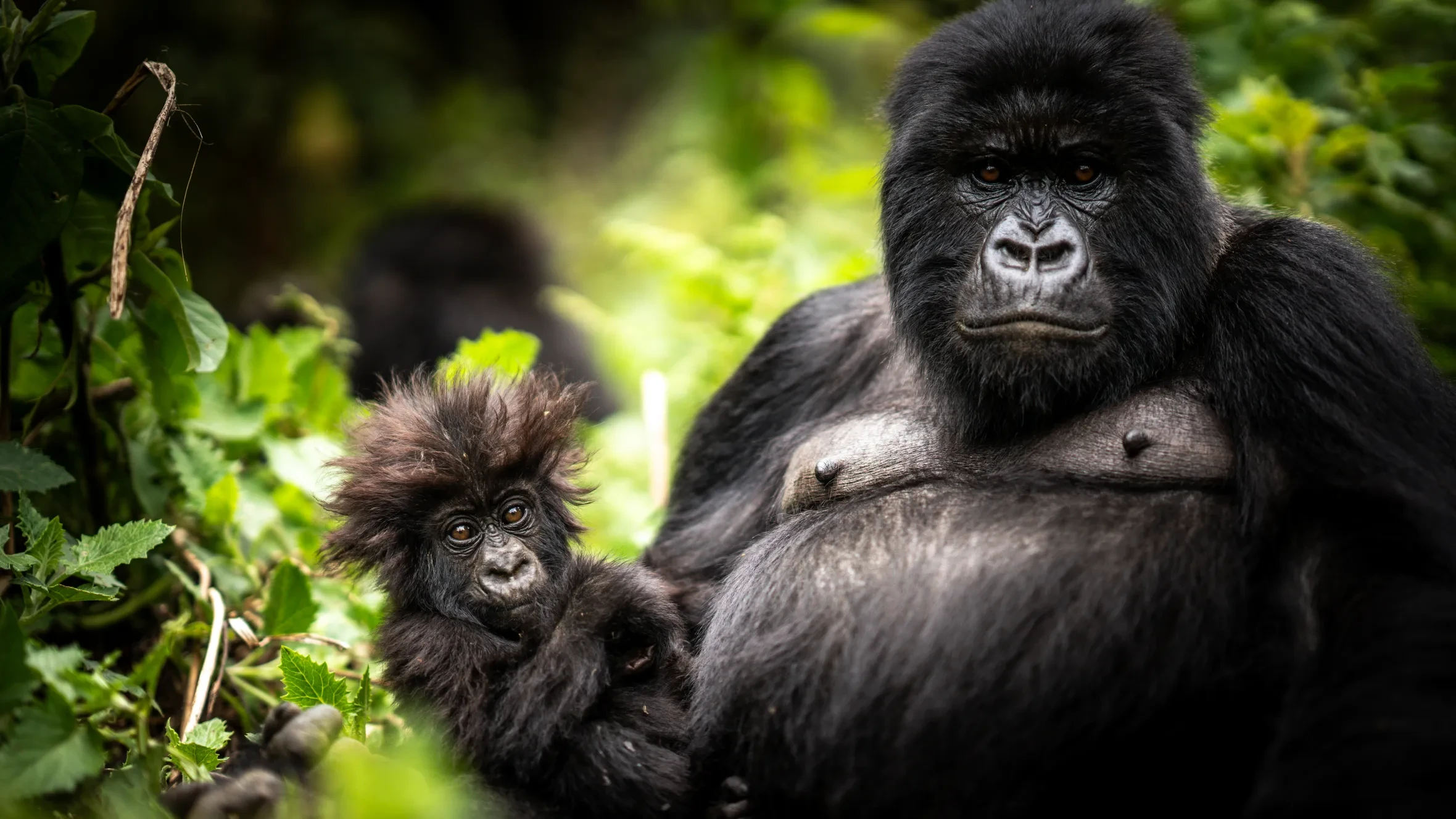
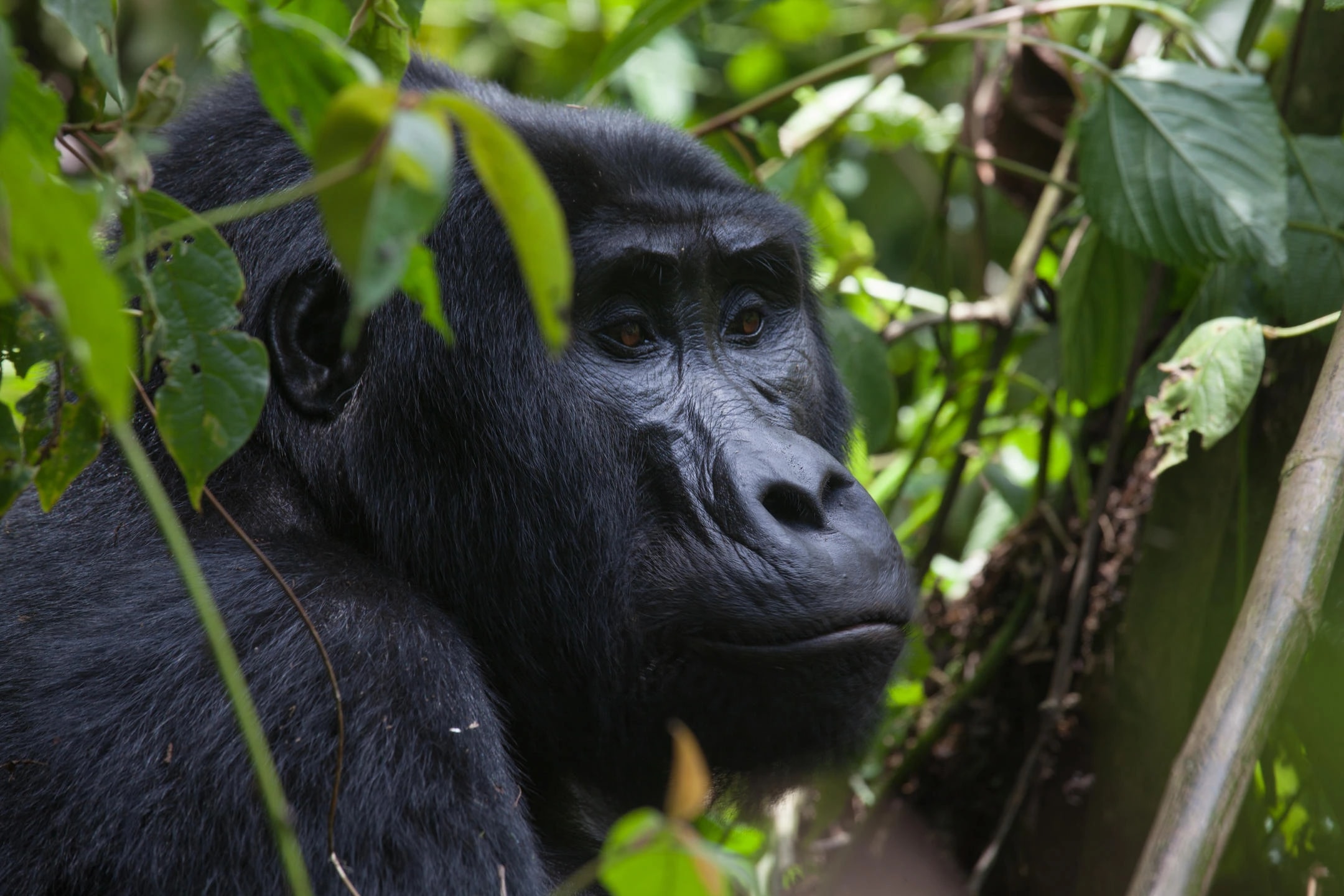
Rwanda is small, mountainous and immaculately organised. Volcanoes National Park — the northern end of the Virunga chain — is where most travellers come for one reason: an hour with a gorilla family. Further south, Nyungwe's rainforest has chimpanzee groups and a canopy walkway strung through the treetops.
A typical Rwanda trip is short — three to five days is enough to trek gorillas, spend a night on Lake Kivu, and fly home via Kigali. We often combine it with northern Tanzania or the Mara to build out a full safari week.
The headline experiences
Volcanoes National Park
Ten habituated mountain gorilla families. One hour of trekking time with the group you're assigned.
Nyungwe Forest
Montane rainforest in the south. Chimpanzee tracking, colobus monkey troops, a suspended canopy walk.
Lake Kivu
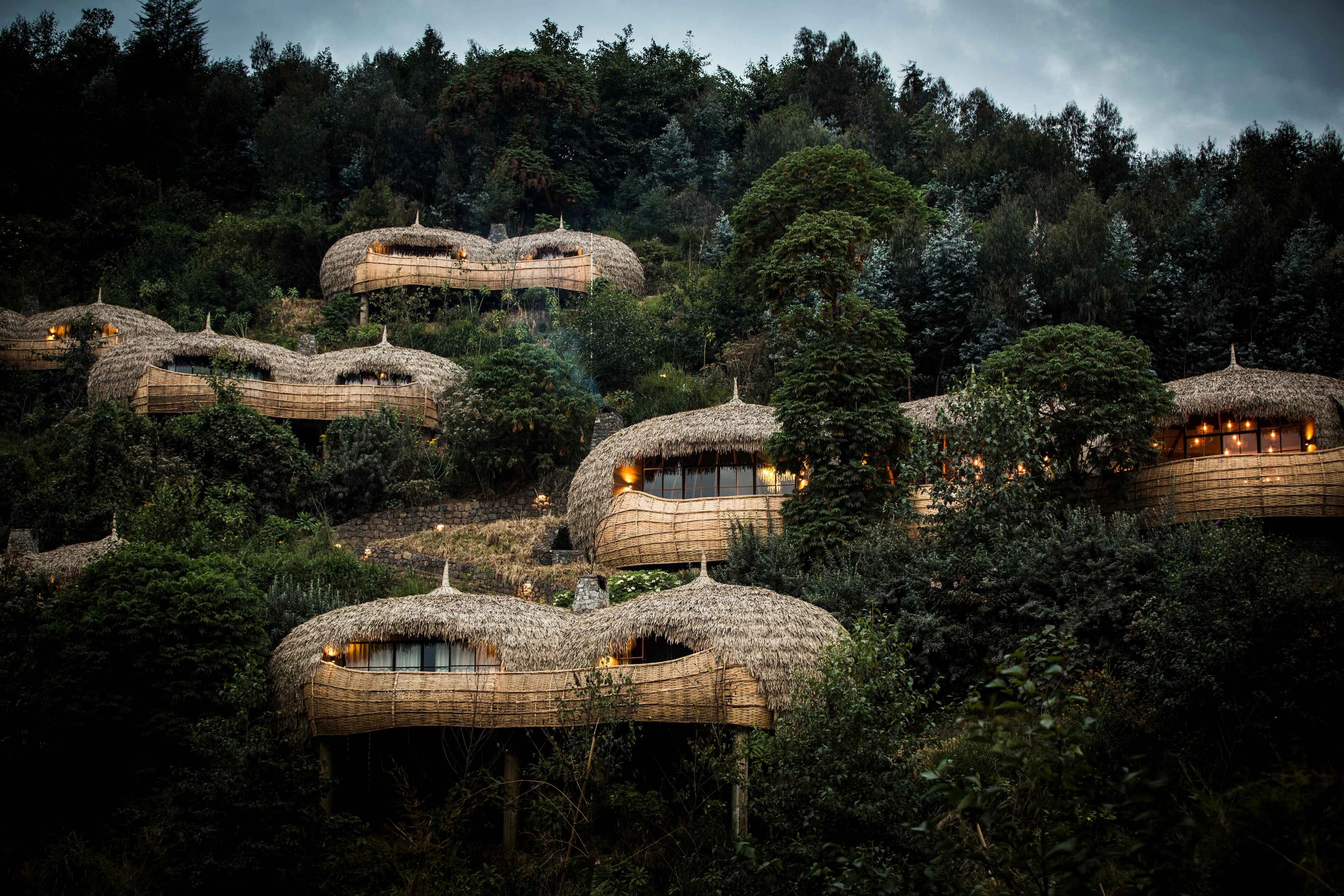
Rift Valley lake with volcanic beaches and a slow, unhurried pace. The best overnight between parks.
Kigali
Clean, safe and walkable. Plan an afternoon at the Genocide Memorial — it is difficult but necessary.
Parks, reserves and cities
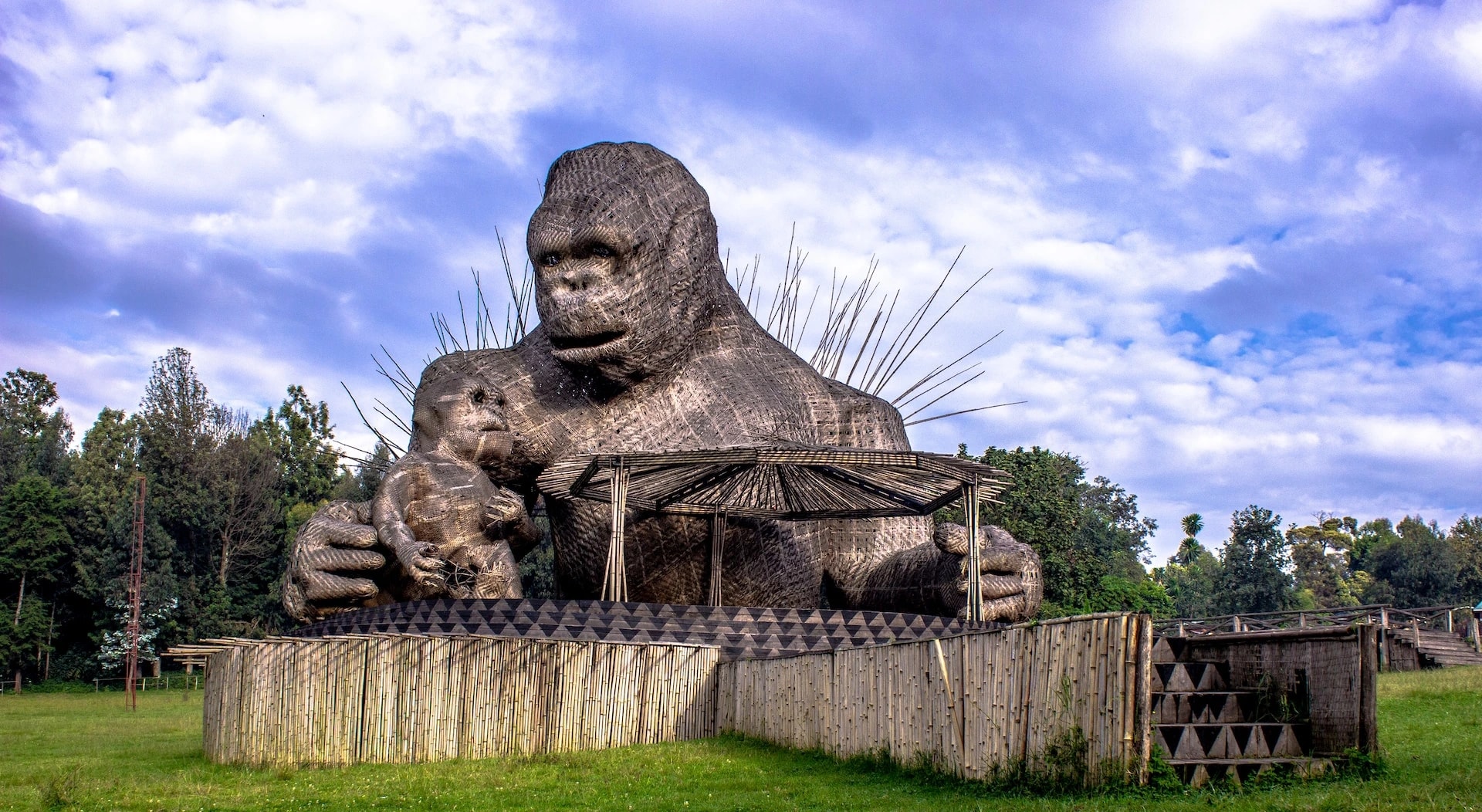
Volcanoes National Park
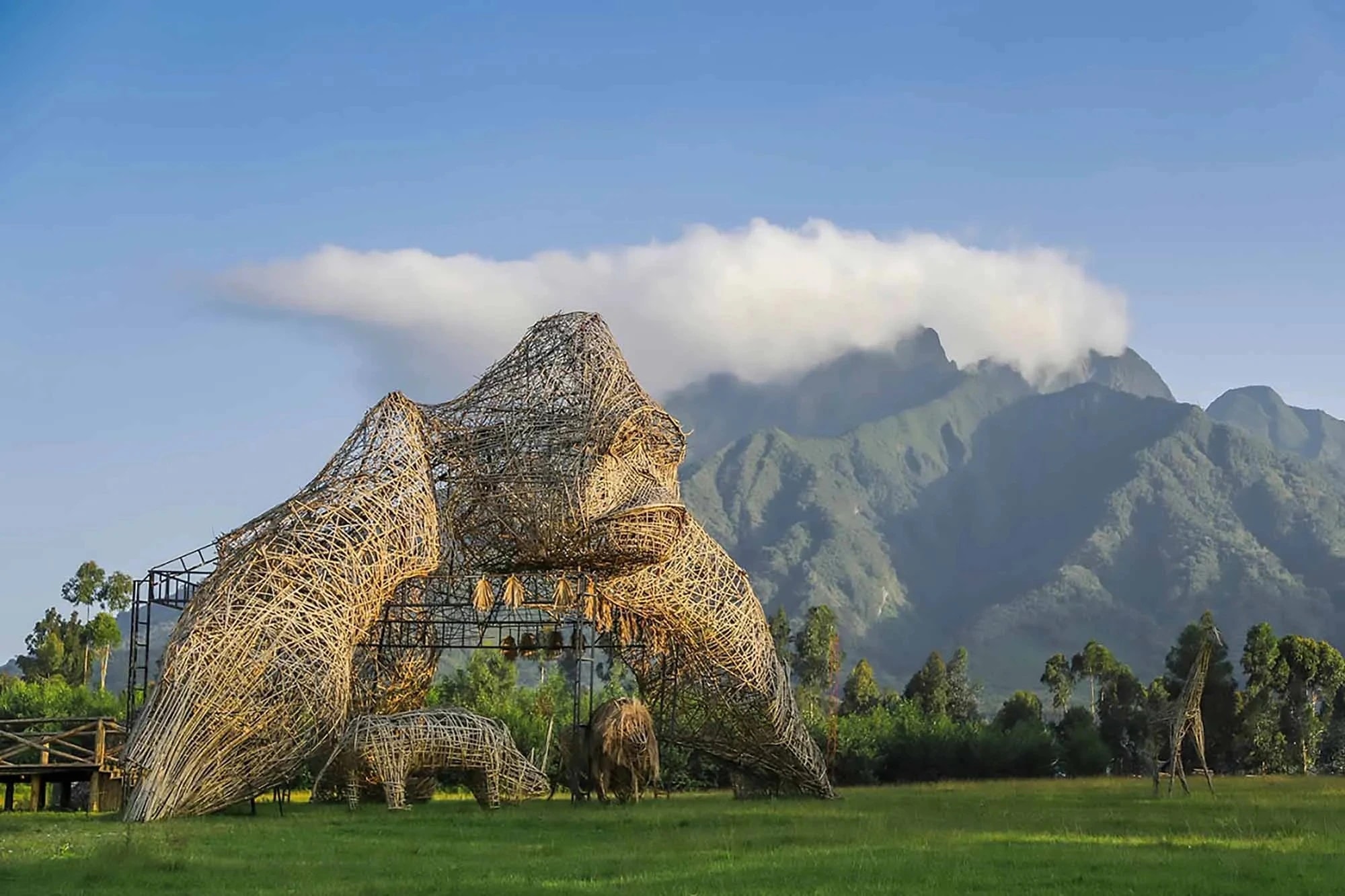
The Virunga chain's Rwandan flank — gorilla trekking above the cloud line, following Dian Fossey's footsteps.
Open Volcanoes National Park →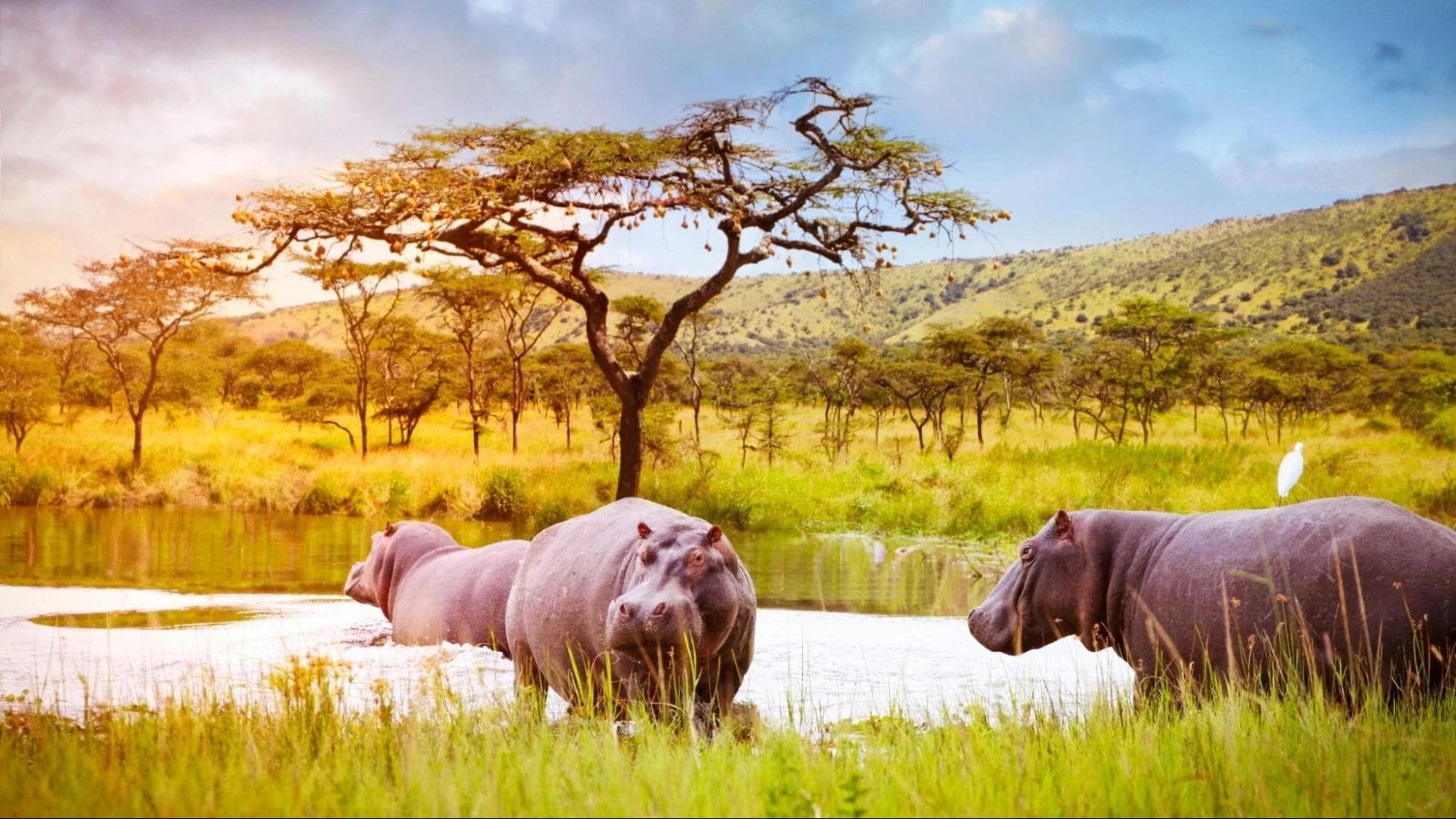
Akagera National Park
Low-lying savannah, lakes and papyrus wetlands — Rwanda's Big Five park, rebuilt over the last decade.
Open Akagera National Park →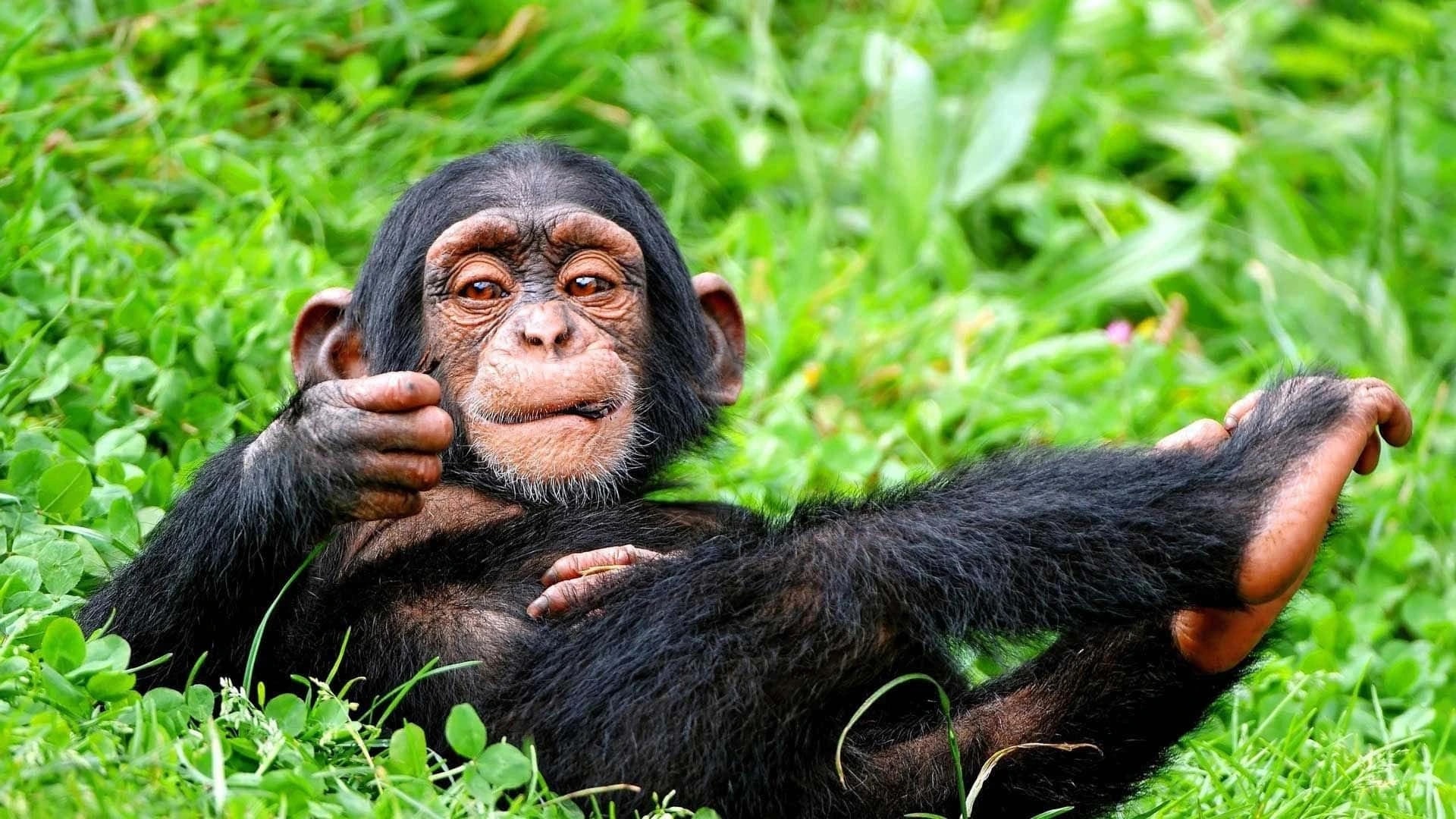
Nyungwe Forest
Ancient montane rainforest with chimpanzees, thirteen primate species and a canopy walk above the treetops.
Open Nyungwe Forest →Best time to visit
June through September is the long dry season and the easiest trekking conditions. December and January also offer a short dry window.
Build a private Rwanda safari from scratch.
Tell us the dates, travellers and what matters most — a senior safari expert will return a bespoke itinerary within 24 hours.
Rwanda FAQ
How fit do I need to be to trek gorillas?↓
Moderately. Treks range from 1 to 6 hours in mountainous, sometimes muddy terrain at altitude (2,500m+). Porters are available and worth hiring.
Rwanda or Uganda for gorillas?↓
Rwanda is faster and more polished — drive from Kigali in 2.5 hours. Uganda is cheaper ($800 vs $1,500 permits) and often combined with Queen Elizabeth or Kibale. Both are excellent.
Is one gorilla trek enough?↓
For most people, yes. Double trekking increases your chance of seeing different family dynamics (silverbacks, infants, juveniles) and is worth considering if budget allows.
Can children trek gorillas?↓
Minimum age is 15. Younger children can stay at the lodge with a babysitter — most properties cater for this.