
Kenya
From the Mara's grasslands to Amboseli's elephant herds and the northern frontier — Kenya, our way.
Why Kenya.
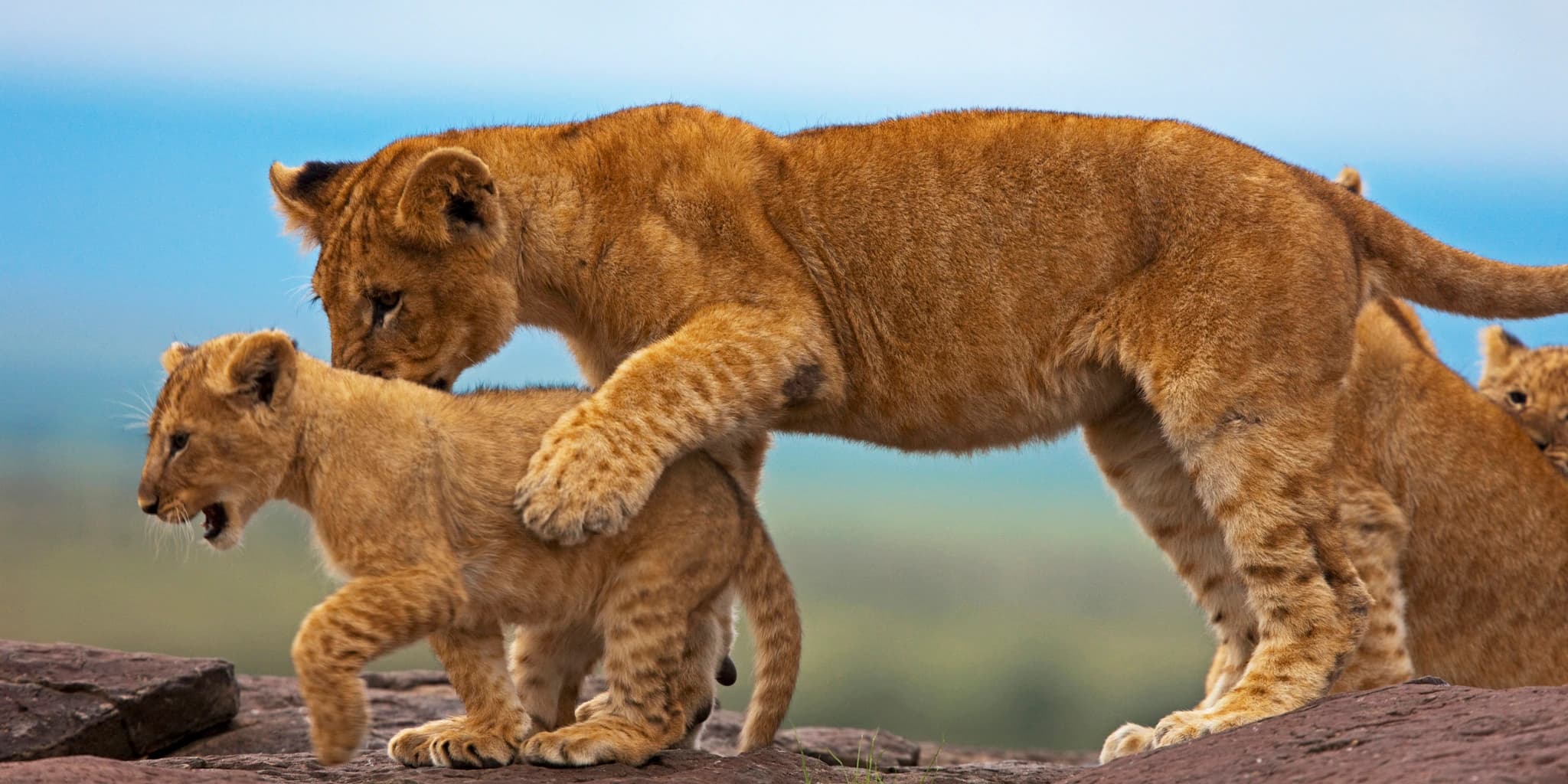
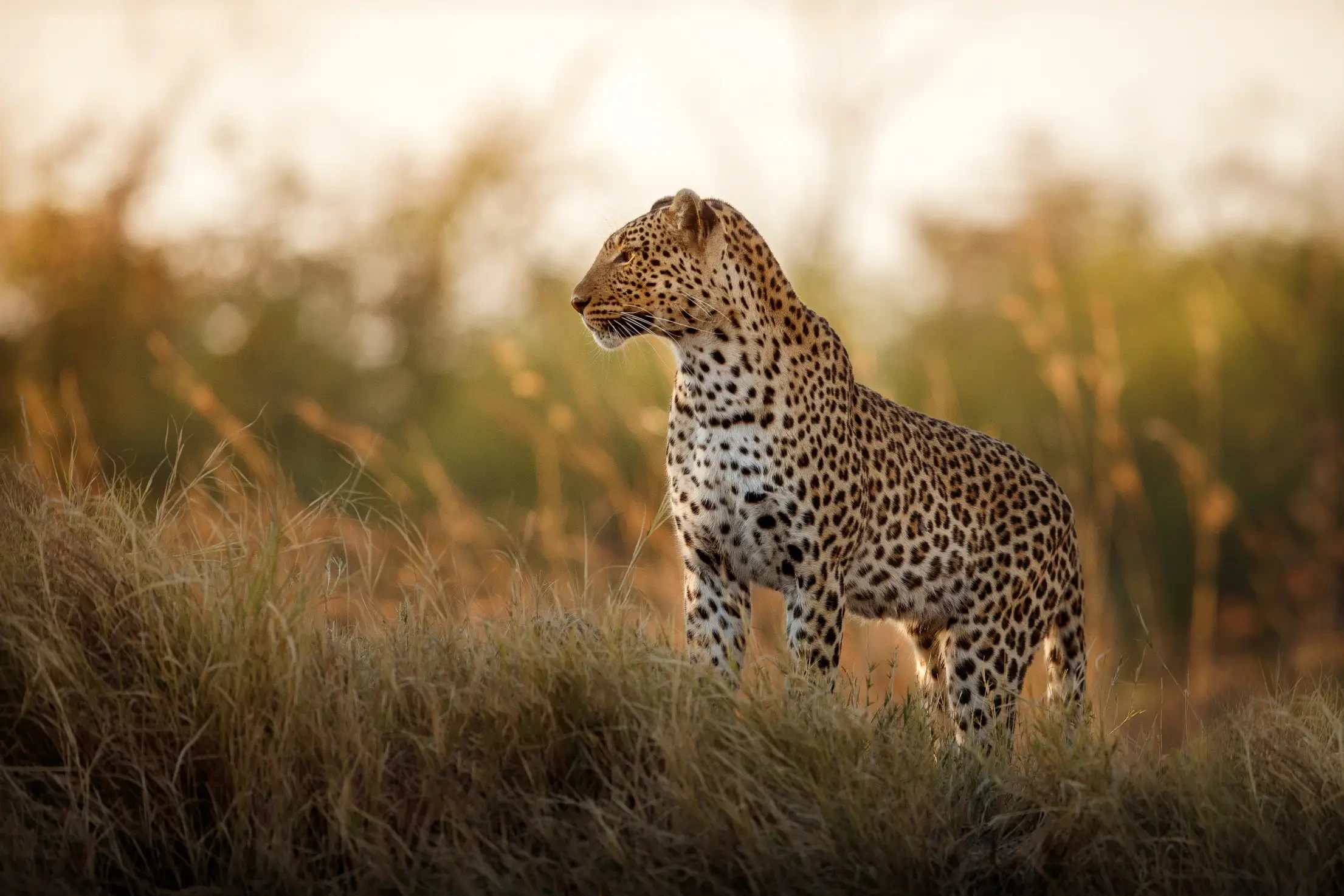
Kenya is the original safari destination, and it still sets the standard. The Maasai Mara is the most productive patch of ground for big cats on the continent. Amboseli pairs resident elephant herds with a view of Kilimanjaro. Laikipia and Samburu open up the north — drier, wilder, less travelled.
Most of our Kenyan itineraries start in Nairobi and flight-hop between parks. That keeps drive days short and puts you in camp by lunch. We work with a mix of owner-run and classic camps — we avoid the big wheel operators.
The headline experiences
Maasai Mara
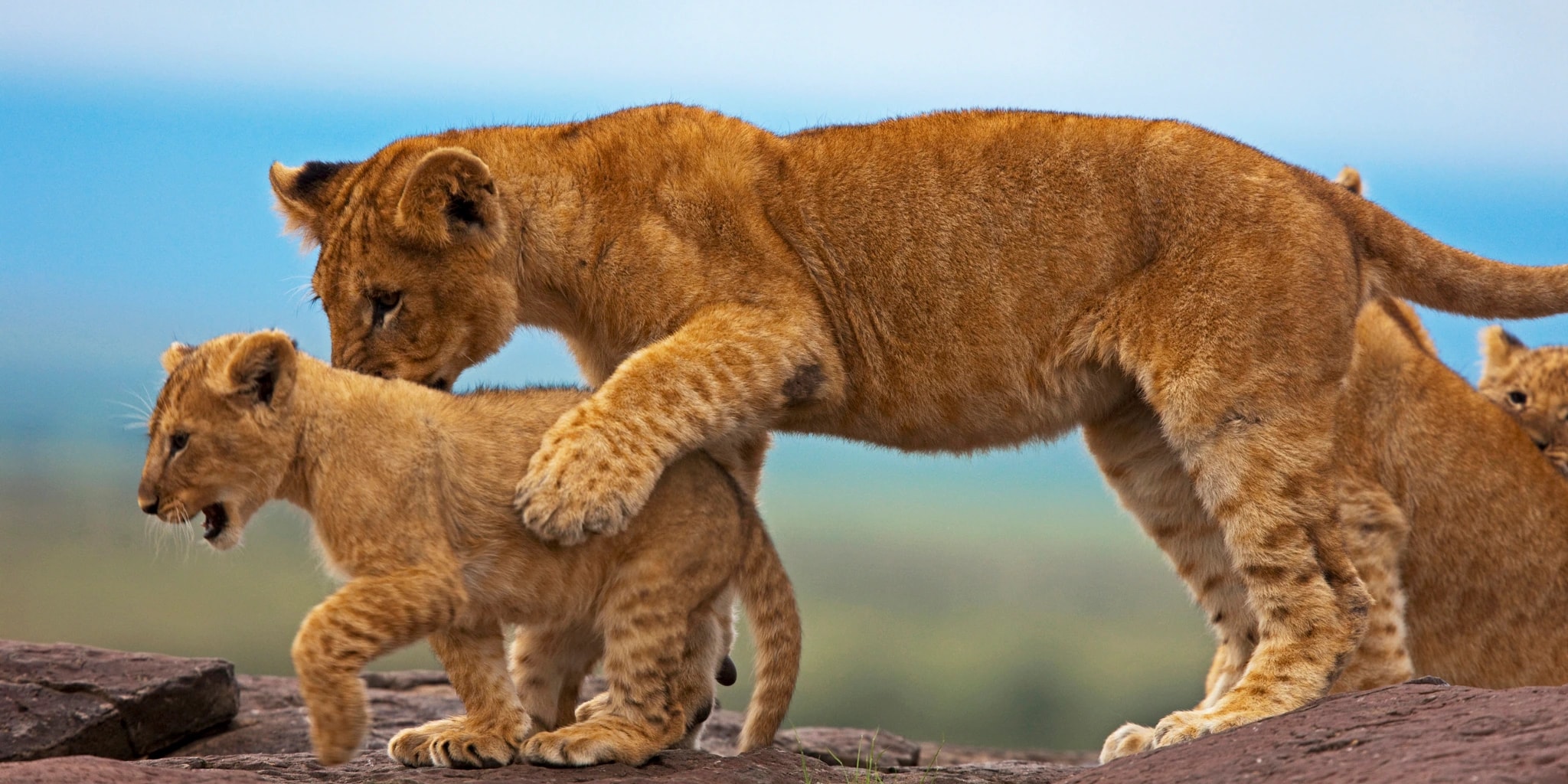
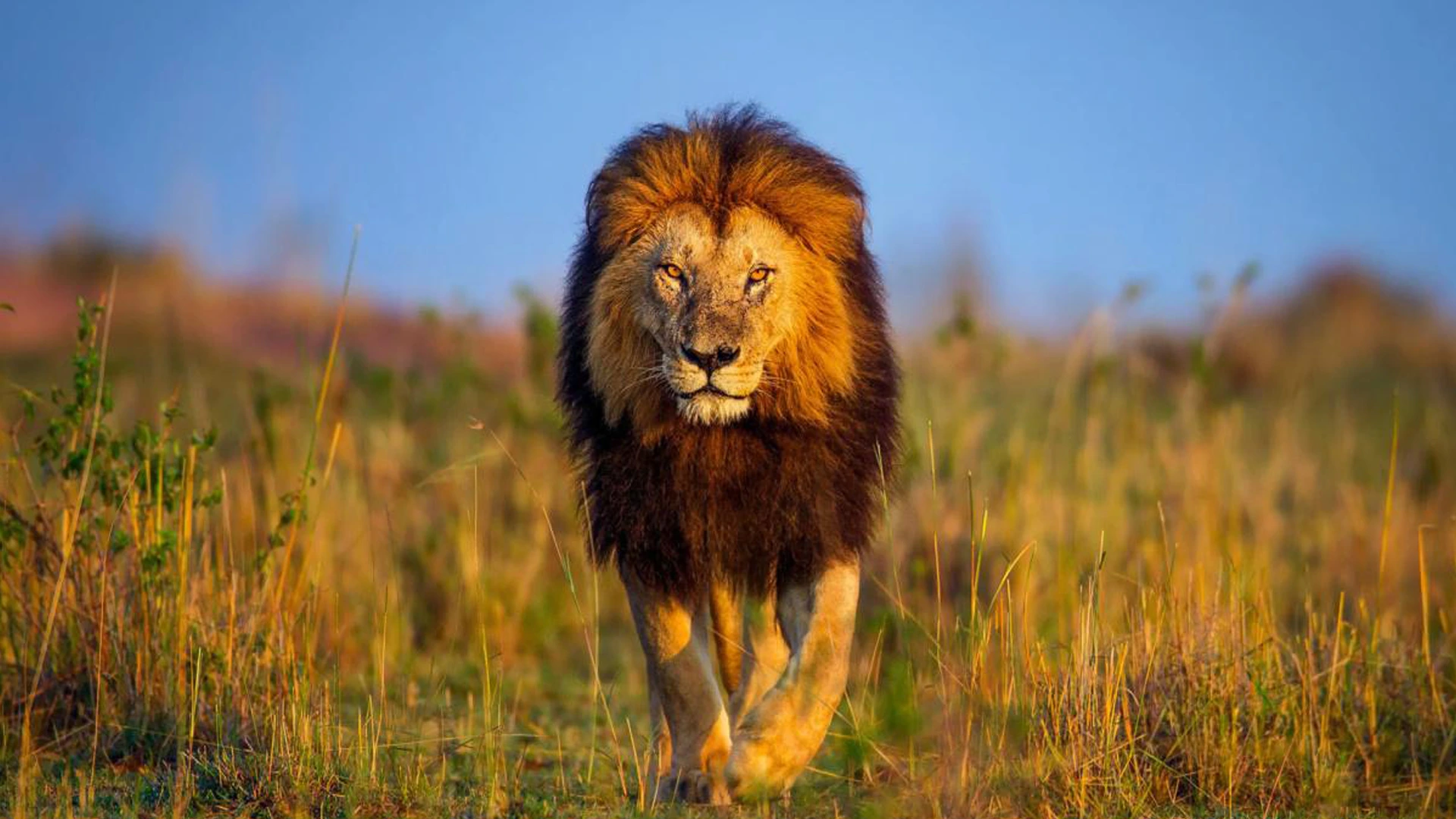
A northern extension of the Serengeti. Lion density unmatched. From August the migration herds spill over the Mara River.
Amboseli
Elephant country framed by Kilimanjaro. The swamps keep wildlife concentrated year-round.
Laikipia & Samburu
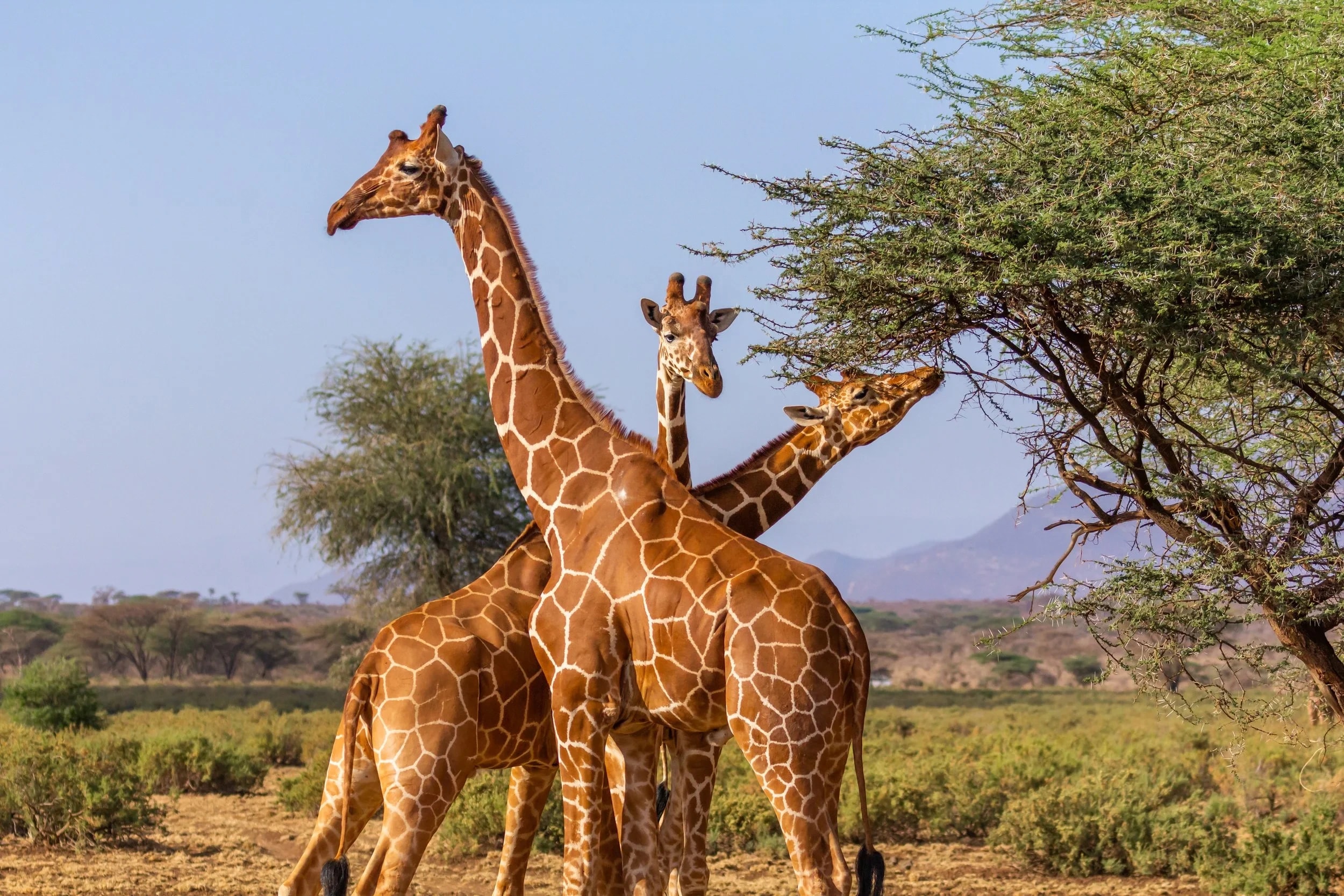
Community conservancies north of Mount Kenya. Walking safaris, Grevy's zebra and reticulated giraffe.
Lamu & the Coast
A Swahili archipelago off the northern coast. A slower, older finish after the plains.
Parks, reserves and cities
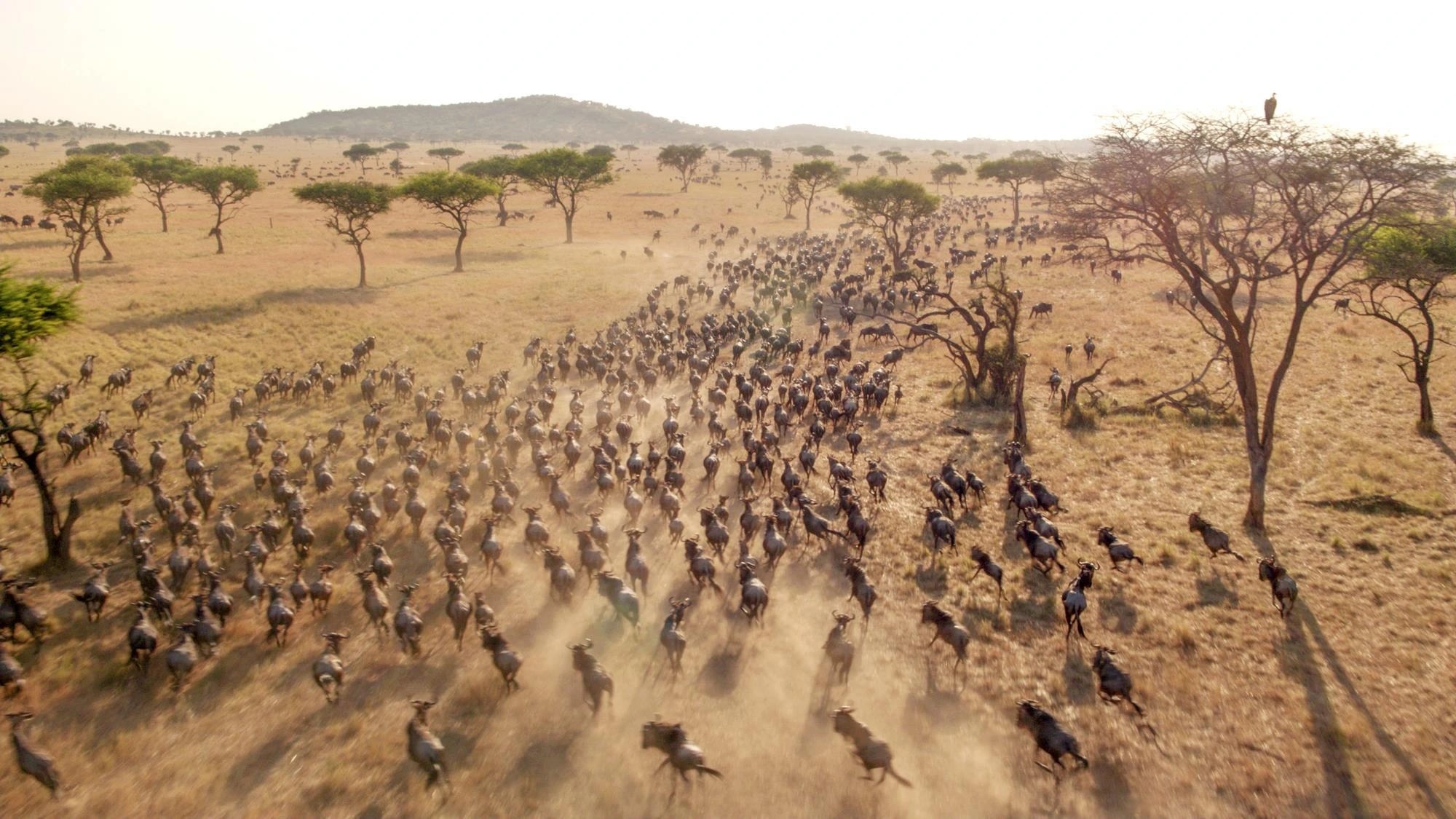
Maasai Mara National Reserve
Open savannah of the northern Serengeti ecosystem — the migration crosses here between July and October.
Open Maasai Mara National Reserve →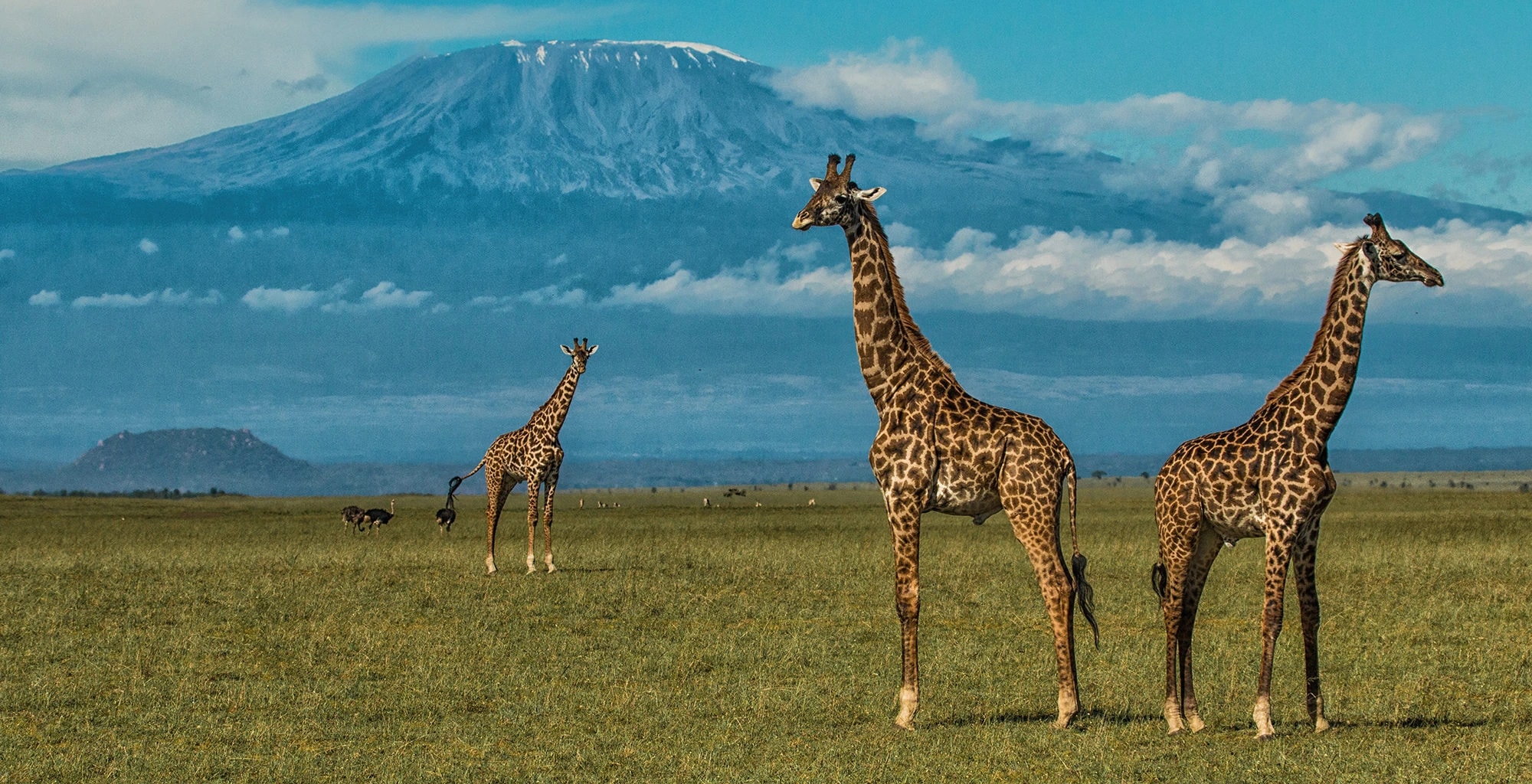
Amboseli National Park
Big-tusker elephants framed against Kilimanjaro's northern face, with pristine dry-season game viewing.
Open Amboseli National Park →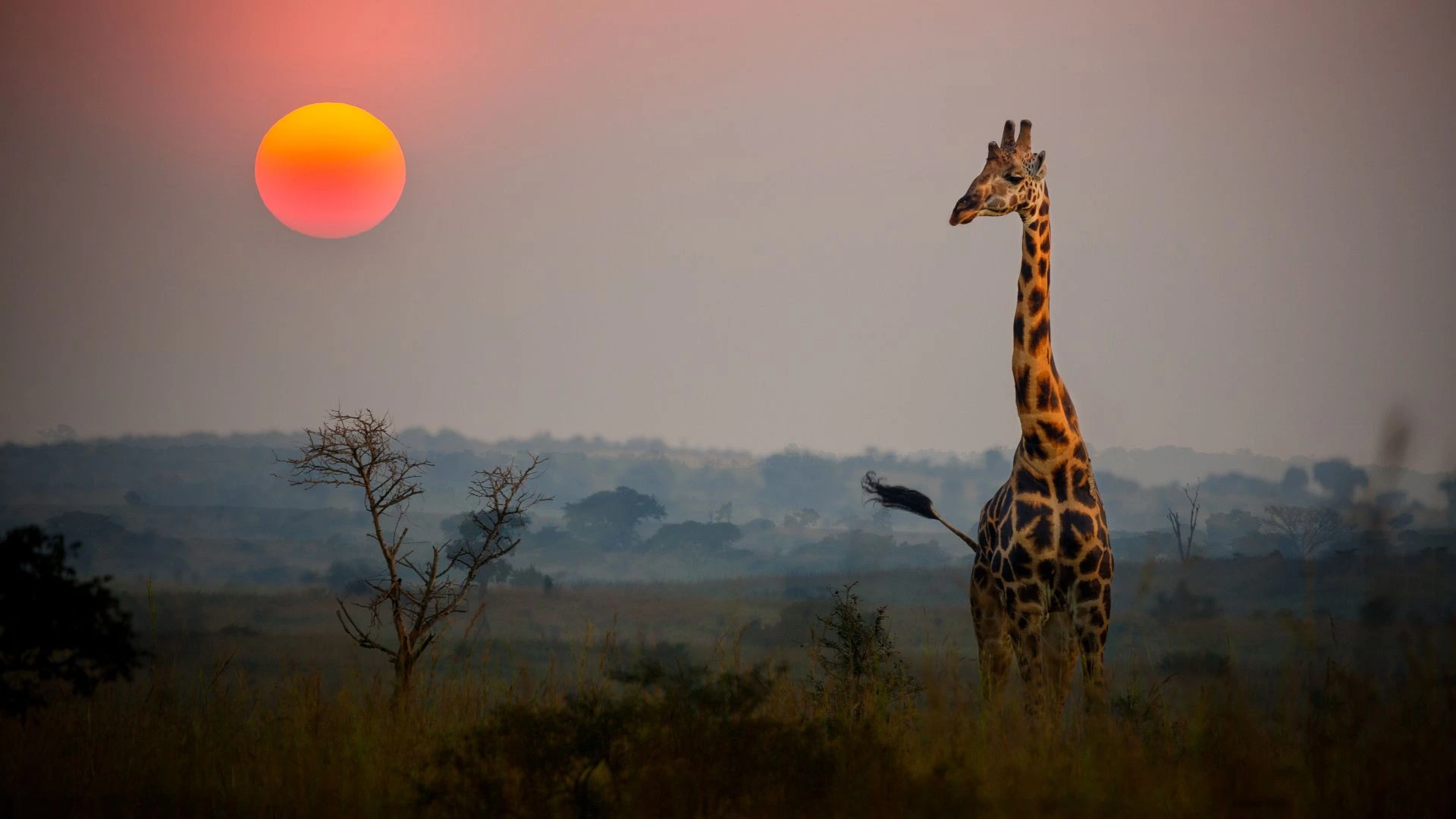
Samburu National Reserve
Semi-arid north, home to reticulated giraffe, Grevy's zebra and beisa oryx — the so-called Samburu Special Five.
Open Samburu National Reserve →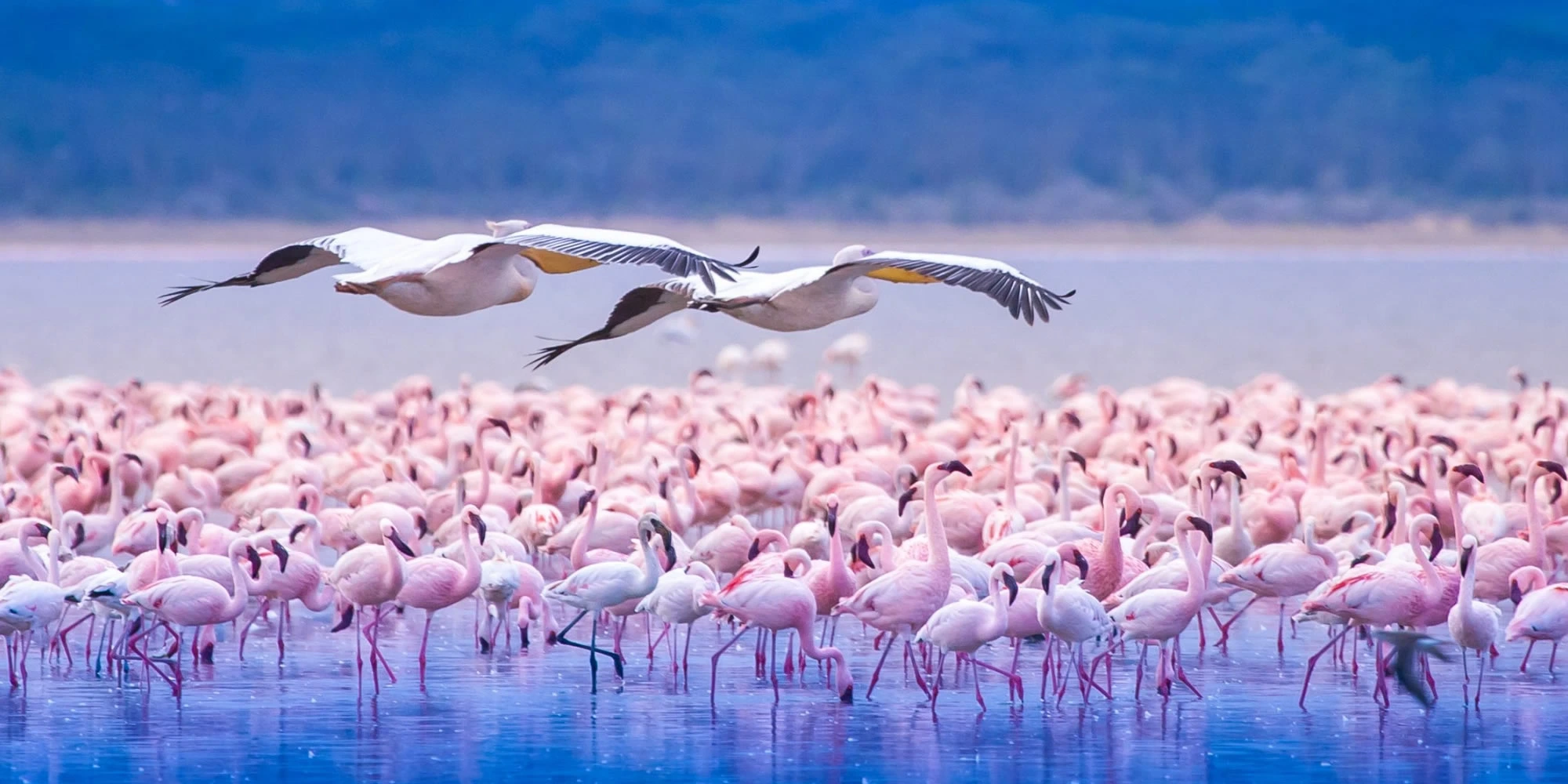
Lake Nakuru National Park
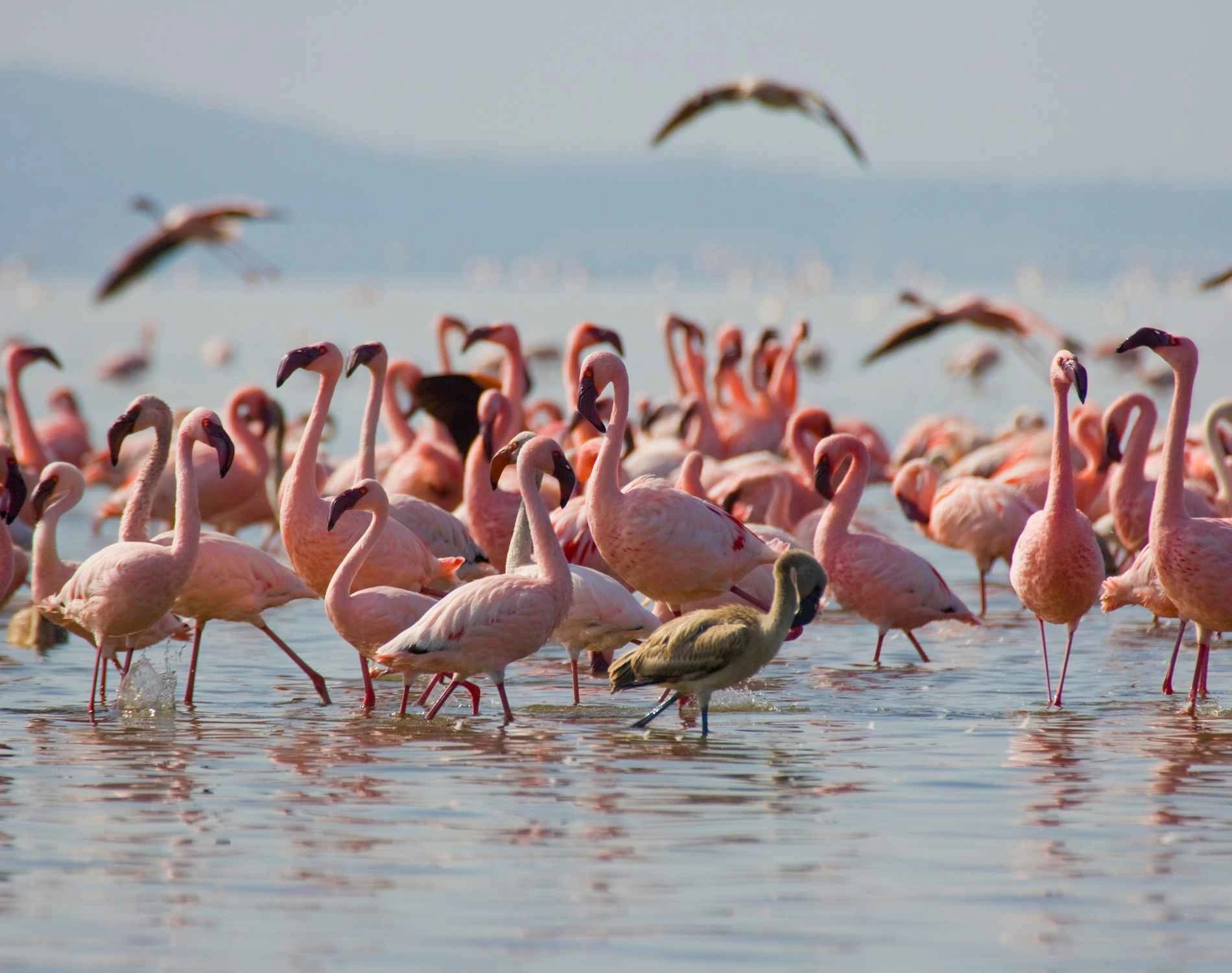
Rift Valley lake hemmed by acacia and yellow-fever trees, and one of the most reliable rhino sanctuaries in Kenya.
Open Lake Nakuru National Park →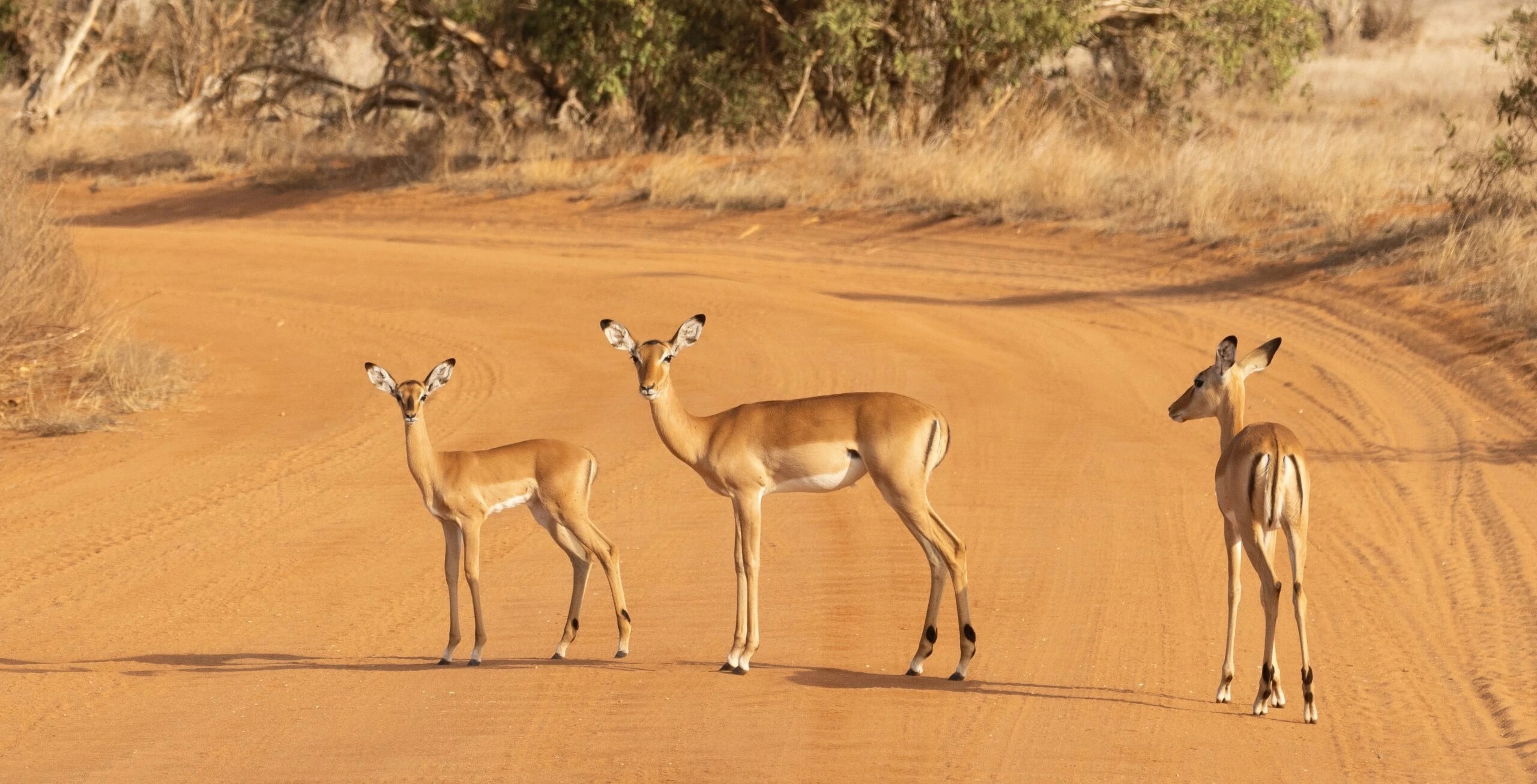
Tsavo National Parks
Vast East and West parks either side of the Nairobi–Mombasa railway, with red-dusted elephants and lava flows.
Open Tsavo National Parks →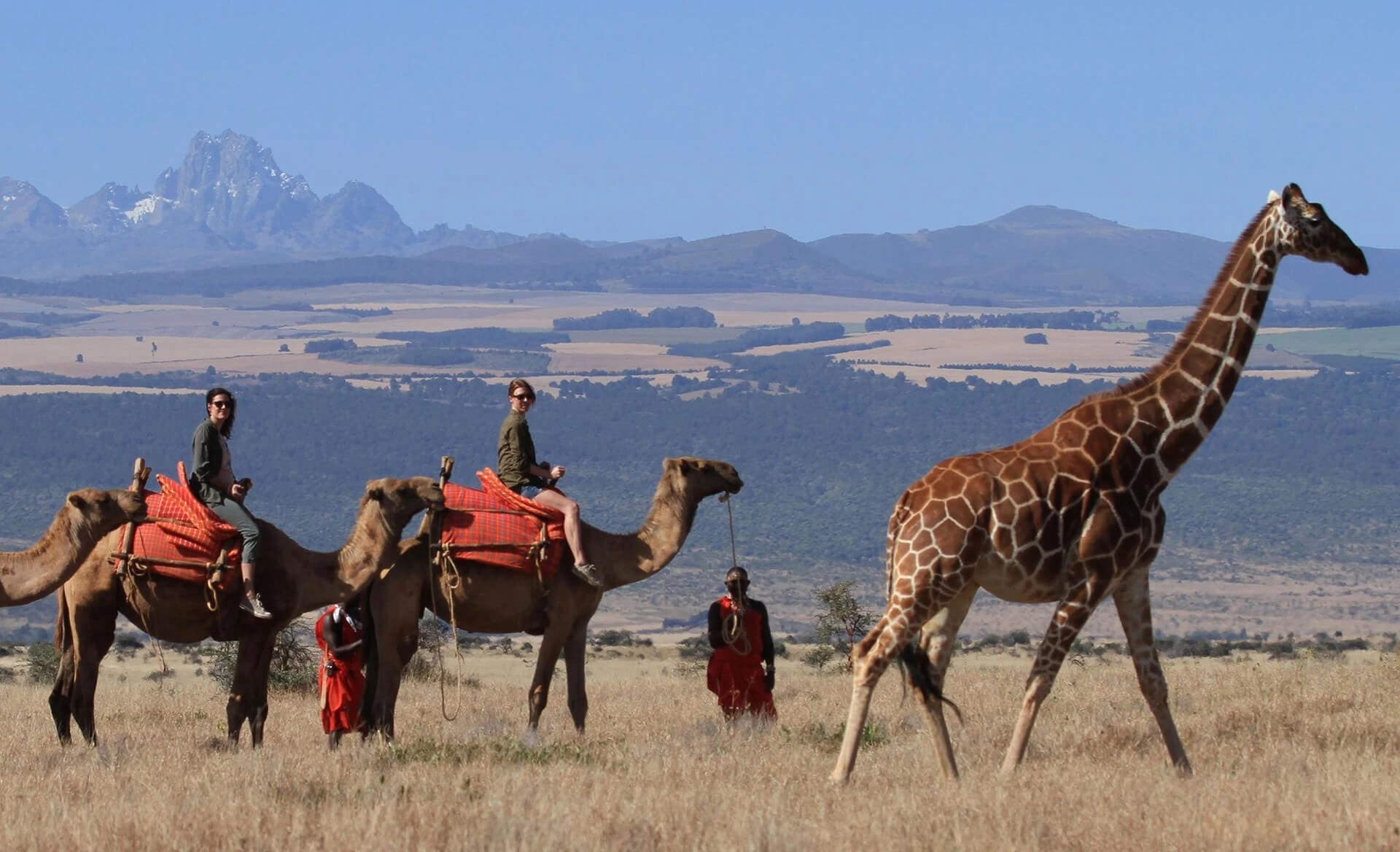
Laikipia Plateau
Private conservancies north of Mount Kenya — low-vehicle density, walking safaris and community-led conservation.
Open Laikipia Plateau →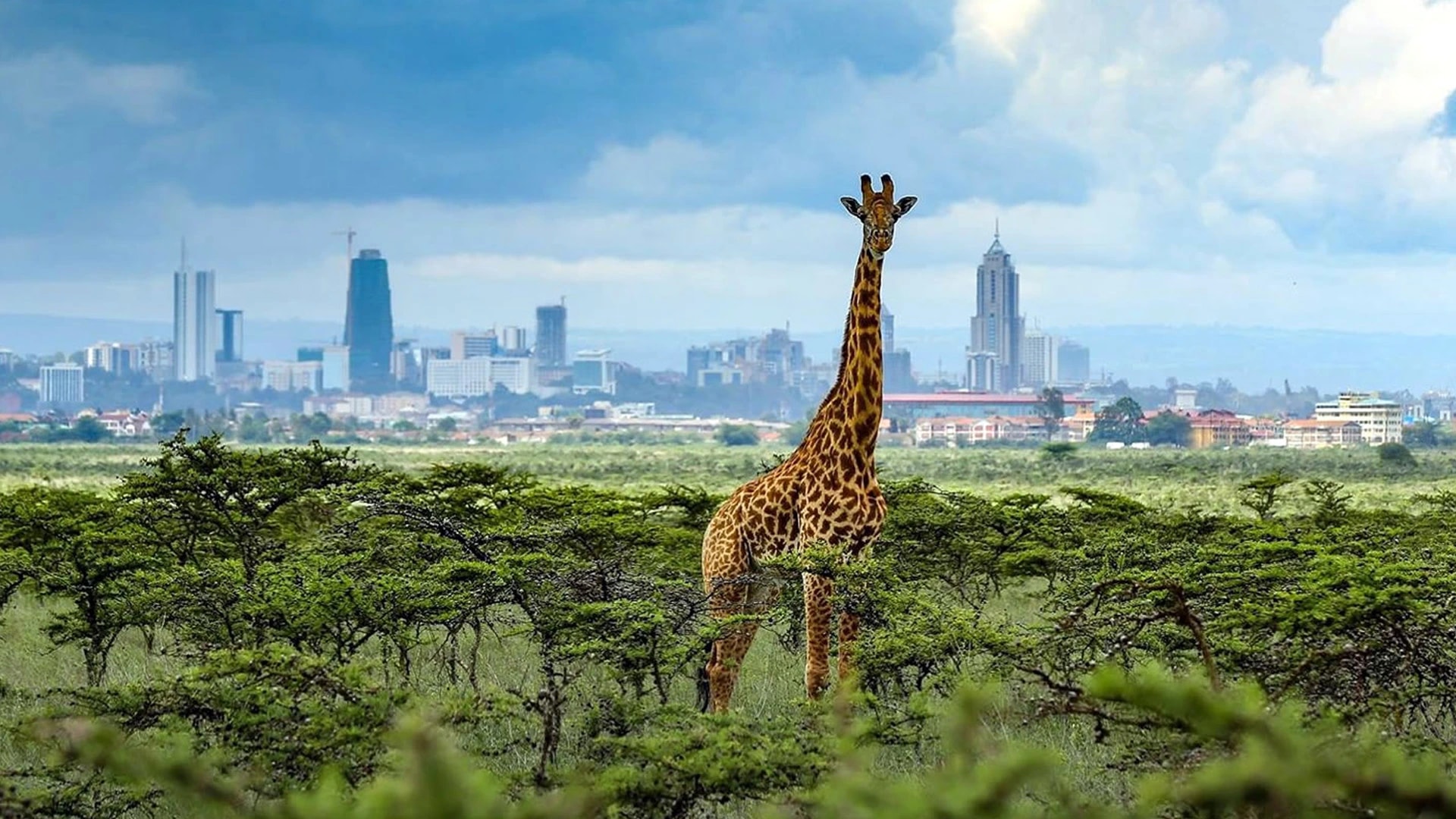
Nairobi National Park
A genuine wildlife park on the city's doorstep — lions, rhinos and the Nairobi skyline in one frame.
Open Nairobi National Park →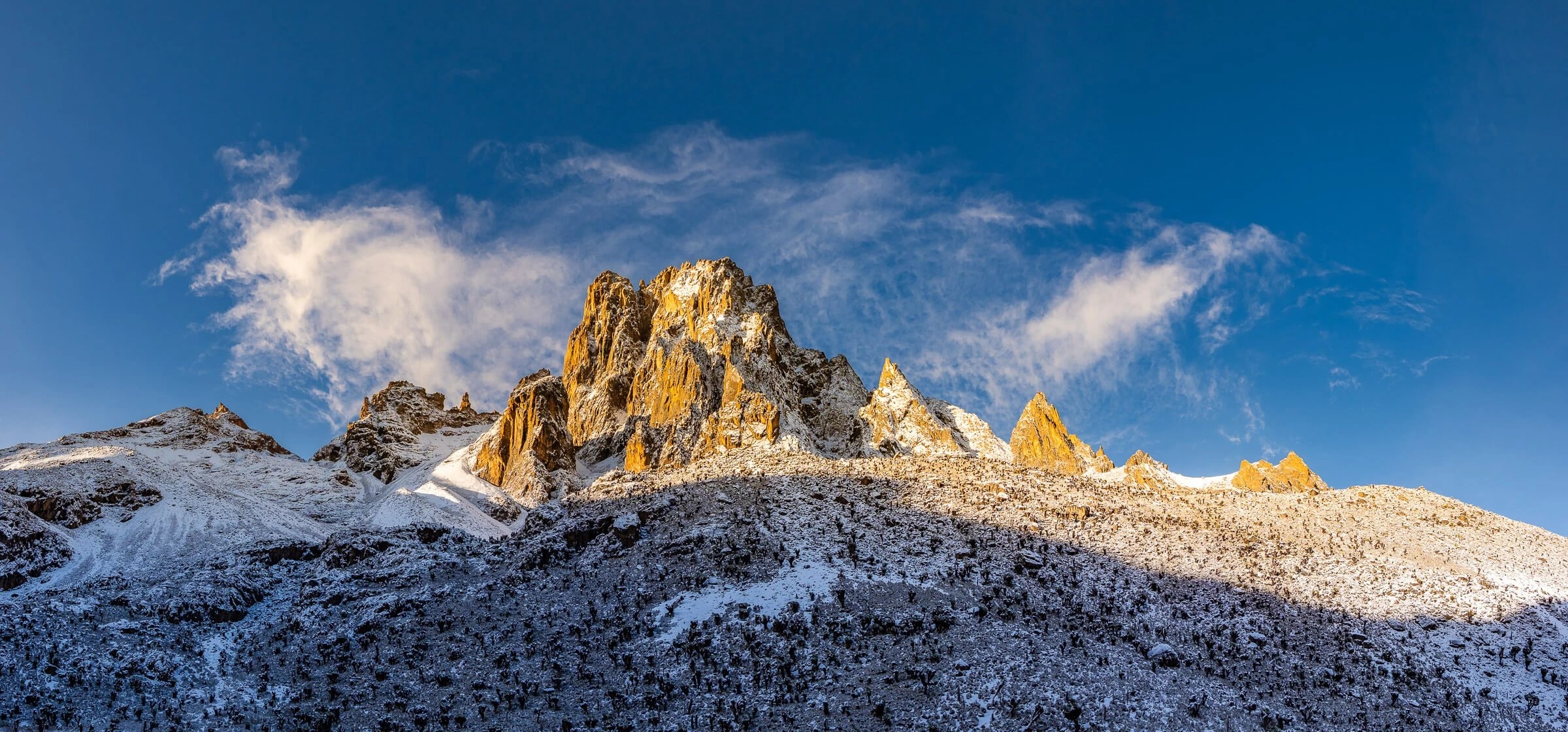
Mount Kenya
Africa's second-highest peak, with three-day treks to Point Lenana through glacial valleys and bamboo forest.
Open Mount Kenya →Best time to visit
July through October is the Mara's peak — the migration herds arrive from the Serengeti. January–February is a dry, warm window with fewer visitors and excellent resident game.
Build a private Kenya safari from scratch.
Tell us the dates, travellers and what matters most — a senior safari expert will return a bespoke itinerary within 24 hours.
Kenya FAQ
Mara reserve or Mara conservancy?↓
We nearly always recommend the conservancies (Olare Motorogi, Mara North, Naboisho). Vehicle density is capped, walking and night drives are permitted, and the game is often better.
Is Kenya good for a first safari?↓
Yes — it has the widest range of parks, the shortest flights between them, and the most established guiding standards. Most first-time safari clients start here.
Can we self-drive?↓
We don't recommend it. A trained guide dramatically improves what you actually see, and the drive roads inside parks aren't always intuitive.
How does Kenya compare with Tanzania?↓
Kenya flies you between parks; Tanzania drives you. Kenya's conservancies are better regulated; Tanzania's Serengeti is bigger and wilder. For a two-week trip we sometimes combine the two.